
Losing weight thanks to your genetic profile means losing weight by adjusting to your genetic map, which is equivalent to a tailor-made weight loss treatment.
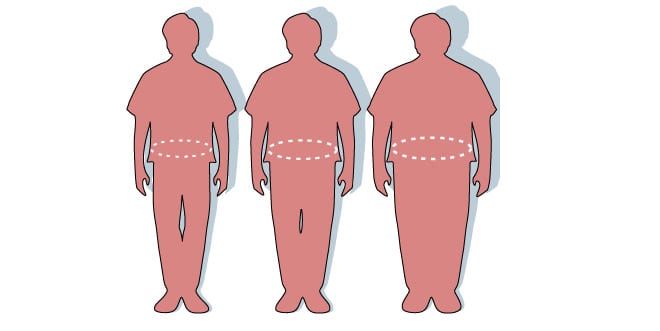
Obesity depends on environmental factors, such as diet and a sedentary lifestyle, but also on genes. For example, satiety signals are genetically regulated. There are more than 300 genes involved in obesity.
With a diet tailored to the needs of an individual's genes, we can treat diseases related to metabolism and others that may be genetically determined for a specific individual.
But how can we know what we should eat based on our genes?
It's simple. Biosalud uses the FoodGen® test.
This genetic analysis of foodtells us how a person should eat based on their genetics.
It is also a genetic study that analyzes 20 genes related to vitamin, mineral, and essential fatty acid requirements, including genetic intolerance to gluten and lactose.
Genes determine our nutritional requirements, and FoodGen® personalizes them.
The report explains genetic variants, and the Nutrient Table facilitates the design of a personalized diet with optimal amounts of each nutrient.
The result is a diet for your client and no one else, with significant effects on their health and well-being.
If we also want to know what proportion of a person's fat accumulation can be attributed to genetic factors and what their response to treatment will be, we have theObesityGEN® obesity test, which allows us to choose the dietary intervention most likely to be successful for the patient.
The goal of nutrigenomics is to use genetic testing to create a personalized diet for each individual. One of the leading experts in this field is Spanish, born in Zaragoza. His name is Dr. Jose María Ordovas.

He is considered one of the founders of nutrigenomics and has contributed to the training of a large number of researchers. His genetic studies include populations on every continent.
With nutrigenomics, we are moving towards a personalized approach to nutrition that can help us avoid diseases such as obesity and diabetes. It involves combining two sciences that have not traditionally gone hand in hand: nutrition and genomics.
However, further studies are still needed, and these studies need to be generalized to the entire population. In the meantime, Dr. Ordovas recommends that we maintain the nutritional habits of each region. And region is understood in a broad sense. For example, the Mediterranean region. Another piece of advice from this expert is that we should respect the seasonality of foods. Furthermore, while for some individuals a certain fat, such as that found in bacon, can be really harmful, for other people it will not be so harmful or simply not harmful at all.
The fact is that some individuals are more predisposed to obesity because their DNA expresses it. However, the individual has to project that predisposition with unhealthy habits. On the other hand, if a person who has a genetic predisposition to obesity practices good habits, they will prevent obesity from expressing itself.
A recent study conducted by Dr. Nicola Pirastu of the University of Trieste in Italy divided obese individuals into two groups, giving one group a diet based on their genes and the other group a standard diet, and showed that "although there were no significant differences in age, sex, and BMI (Body Mass Index) between the two groups at the start of the study, the people in the group that had followed the gene-based diet lost 33 percent more weight than the individuals in the other group, and the percentage of lean body mass also increased more in the second group.
Discovering the genetic basis of taste and food preferences can lead us to increase not only the effectiveness of nutritional interventions, but also compliance with them.
Another study conducted by Dr. Pirastu involved analyzing DNA samples from 4,000 European and Asian volunteers, which revealed 17 genes associated with a preference for certain foods.
The range of foods was wide, including bacon, coffee, chicory, dark chocolate, blue cheese, ice cream, liver, butter, orange juice, yogurt, white wine, and mushrooms.
Surprisingly, none of the genes play an active role in taste or smell perception.
We have found a strong correlation between the HLA-DOA gene and a preference for white wine, but we have no idea which characteristics of white wine influence this gene," said Dr. Pirastu, who presented his findings at the annual meeting of the European Society of Human Genetics (ESHG) in Milan.
These studies on the influence of genes on diet will be important for understanding the interaction between the environment, lifestyles, and the genome in determining health outcomes.
